
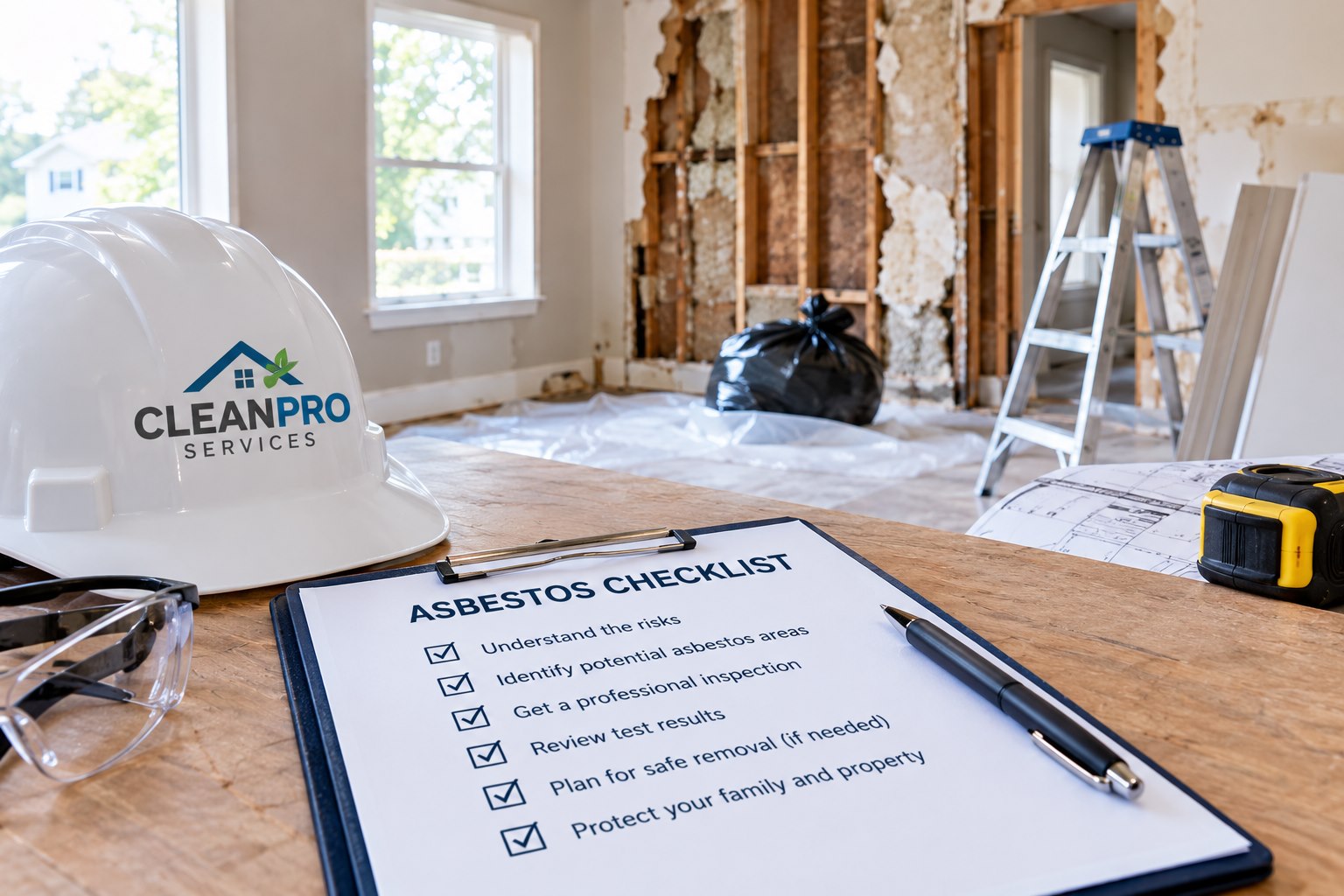
A fall remodeling plan often begins with finishes: new flooring, a brighter kitchen, or an updated office. Before demolition starts, another question may need attention: could the planned work disturb materials that contain asbestos?
Addressing asbestos before remodeling means organizing the assessment and work sequence early. It does not mean assuming every old material contains asbestos or that every suspected material must immediately be removed.
For homeowners and businesses in Kentucky, a clear plan helps contractors understand which areas can be disturbed and what must be evaluated first. This guide explains the decisions to discuss with qualified professionals before an October renovation moves from ideas to physical work.
Appearance Alone Cannot Answer the Question
The EPA’s asbestos guidance for homeowners explains that asbestos generally cannot be identified simply by looking at a material. It also advises against taking samples yourself.
That makes visual guessing an unreliable basis for a demolition decision. A photograph, building age, or resemblance to an online image cannot establish what a particular material contains.
If you have concerns about material that will be disturbed, leave it alone and discuss assessment with a trained professional. Explain what you intend to remove, cut, sand, or otherwise alter.
Do not pry up a corner, scrape off a piece, or drill a small opening to investigate. The planning conversation should happen before disturbance, not after an informal test.
Why Renovation Scope Matters
The relevant question is not only what materials are present. It is what the project will do to them.
Replacing a decorative item may have a different impact from removing flooring, opening walls, or demolishing a room. Tell the assessor exactly which areas are included and how extensive the proposed work may be.
A vague description such as “update the kitchen” can leave important questions unanswered. The project might include only cabinets, or it might extend into ceilings, flooring, and adjacent rooms.
Write the intended scope in plain language. Include any optional work still under consideration so the professional knows where the plan could expand.
Assessment, Testing, and Abatement Are Different Steps
An assessment helps determine what needs investigation. Sampling and laboratory analysis may be part of that process where appropriate. Abatement addresses confirmed materials according to the professional plan and applicable requirements.
These activities should not be confused with ordinary finish selection or general demolition.
Ask who is responsible for each step and what documentation you will receive. Clarify how the results will be used to establish the work boundaries.
CleanPro’s asbestos removal and management page describes professional removal services and coordination with ETC of Kentucky for testing. Contact the companies to establish the actual roles and scope for your project.
Do not order removal before understanding the assessment
EPA guidance distinguishes undamaged, undisturbed material from material affected by damage or planned work. The appropriate response depends on the situation.
A professional should explain whether management, repair, removal, or another approach is appropriate. The blog cannot make that determination for a specific building.
Build an October Renovation Sequence That Leaves Room for Answers
Start with a scope review before scheduling demolition. Identify the areas you want changed and arrange the appropriate professional discussion.
Next, establish whether assessment or testing is needed. Wait for the relevant findings and recommendations before treating the room as ready for general construction work.
If abatement is required, incorporate it into the project schedule. Clarify when other contractors can begin and what documentation or release arrangements apply.
Avoid assuming that an assessment, laboratory result, or removal project always fits within a fixed number of days. Scope, access, findings, and professional availability influence the schedule.
What to Gather Before Contacting a Professional
Project plans and boundaries
Provide drawings if you have them, but a simple written room-by-room description is useful too. Note the surfaces to be removed and any proposed wall or ceiling openings.
Explain whether the building will remain occupied and which spaces need ongoing access. These details help with planning the assessment and any later work.
Existing reports and renovation history
Collect previous surveys, test results, and records of earlier work. A report can be useful, but its coverage should be reviewed against the new scope.
Do not assume one old result applies to every similar-looking material throughout the building. Ask the professional how existing information should be interpreted.
Timing and other contractors
List planned start dates, deliveries, and trades involved. State which dates are flexible and which have been committed.
If work has already begun, describe exactly what was disturbed. Do not minimize the history or try to clean the area before explaining the situation.
Questions to Ask About an Abatement Proposal
Ask what material and area the proposal covers. Clarify how work boundaries will be established and how adjacent occupied spaces will be addressed.
Discuss access, preparation, waste handling, and the expected communication process. Ask who manages applicable notifications or other project requirements.
Request an explanation of how completion will be documented and what happens if additional material is discovered.
The goal is not to learn enough from a blog to perform the work yourself. It is to understand the proposed professional process and how it connects with the renovation that follows.
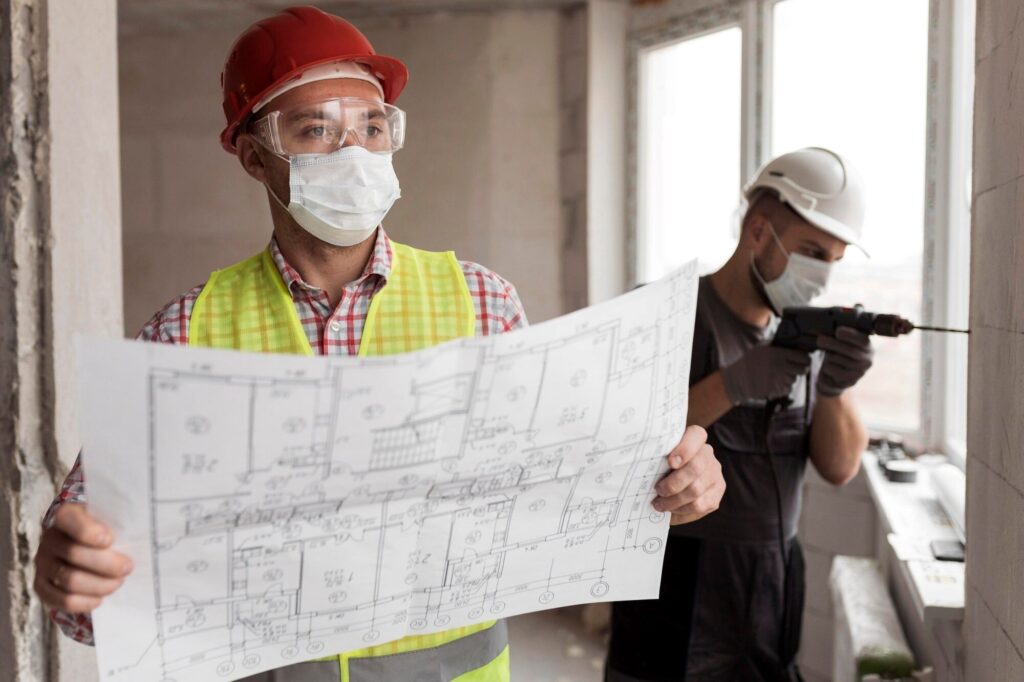
Coordinate the Handoff to Your Remodeling Contractor
A clear handoff reduces confusion about what can happen next. Share relevant reports and project instructions with the contractor who will perform the remodeling.
Clarify which surfaces or areas are included in the completed work and whether any material remains subject to management instructions.
If the design changes, notify the environmental professional. Extending the renovation into an unassessed room or layer can change the questions that need answering.
Keep the documents with the project records. They may help with future maintenance, later renovations, or explaining the work to another contractor.
Do not treat a scope change as a small paperwork detail
Suppose the initial plan covers replacing cabinets, but the project later expands to removing the floor and opening an adjacent wall. The materials affected have changed.
Pause the new disturbance until the appropriate professional review occurs. A schedule adjustment is more manageable than an improvised response after work has already expanded.
What If You Discover Suspected Material Mid-Project?
Stop disturbing the material and keep others from entering the immediate work area unnecessarily. Contact a qualified asbestos professional and explain what happened.
Do not sweep, vacuum, or attempt removal based on general cleaning advice. Ask the professional what the immediate next steps should be for the actual situation.
Document the location from a safe position without disturbing anything further. Provide the contractor’s account of the work already completed.
If you have concerns about possible exposure or symptoms, discuss them with an appropriate healthcare professional. An environmental contractor evaluates the building concern; medical questions need clinical guidance.
Compare Proposals by Scope and Responsibilities
A lower number does not necessarily represent the same work. One proposal may include different boundaries, documentation, or coordination than another.
Ask each provider to explain inclusions, exclusions, and assumptions. Make sure the proposed scope reflects the assessment and the intended renovation.
Clarify who handles subsequent general demolition and who restores finishes after environmental work. Do not assume those tasks are automatically part of an abatement quote.
Keep questions factual. The most useful comparison is whether the proposal clearly addresses your project, not whether it makes broad promises about eliminating every possible risk.
A More Useful Way to Plan Your Indoor Project
October can be a good month to finalize the work sequence before indoor remodeling becomes a deadline-driven project. Use that time to establish scope, arrange assessment, and gather documentation.
Put environmental questions beside budget and design questions in the planning file. That makes them part of the project instead of an unexpected interruption.
Addressing asbestos before remodeling creates a clearer route from evaluation to any necessary abatement and then to the finished renovation.
Keep the Project Team Working From the Same Information
Design revisions can move faster than the environmental review if they are shared only with part of the team. Send relevant scope changes to the people responsible for assessment and abatement.
Identify one person who maintains the current plan and report set. Ask contractors to confirm which version they are using before work proceeds.
For example, replacing one room’s floor and later extending the same finish down a hallway may look like a small design adjustment. The disturbance boundary has expanded, so the professional assessment must be considered alongside the revised layout.
Frequently Asked Questions
Should I test for asbestos before every renovation?
The need depends on the materials, their condition, existing information, and whether the work may disturb them. Discuss the actual scope with a trained asbestos professional. EPA guidance does not recommend routine disturbance or DIY sampling of material that can otherwise remain undamaged and undisturbed.
Can I identify asbestos from a photograph?
Generally, no. Appearance does not reliably establish asbestos content, and similar-looking materials may differ. A photograph can help explain the location to a professional, but it cannot replace appropriate assessment. Do not cut or remove a sample yourself to answer the question.
Does finding asbestos always mean immediate removal?
Not automatically. The appropriate approach depends on condition, planned disturbance, and professional recommendations. Management, repair, or removal may be considered according to the situation. Ask the qualified professional to explain the options and applicable requirements before making a decision based solely on the presence of asbestos.
What should I do if suspected material is uncovered during demolition?
Stop disturbing it and contact a qualified professional. Explain what has already been removed or altered and follow the specific instructions you receive. Do not attempt ordinary sweeping, vacuuming, or improvised removal. Seek medical advice separately if you have concerns about exposure or health symptoms.
Who can discuss asbestos abatement in Kentucky?
CleanPro Services provides environmental abatement services from Nicholasville, including asbestos removal and management. Its website describes coordination with ETC of Kentucky for testing. Contact the company to confirm the appropriate assessment, scope, and work sequence for your property before general demolition proceeds.
Discuss the Environmental Work Before Demolition
If your project raises questions about asbestos before remodeling, review CleanPro Services’ asbestos services or call 859-724-6036. Share the proposed renovation scope and any existing reports to discuss the appropriate professional next step.
